
Studio or Mobile Videographer: Which Fits a Local Service Business
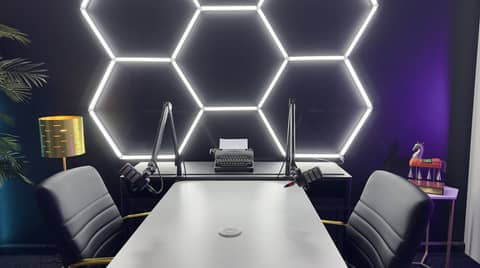
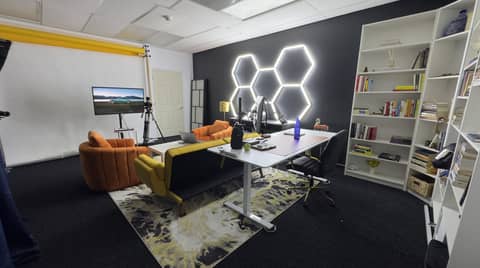
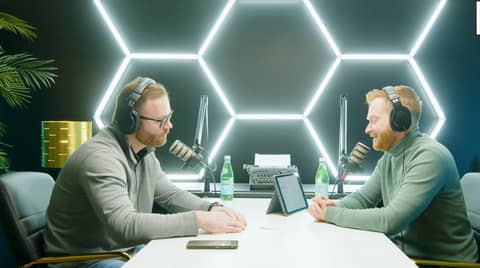
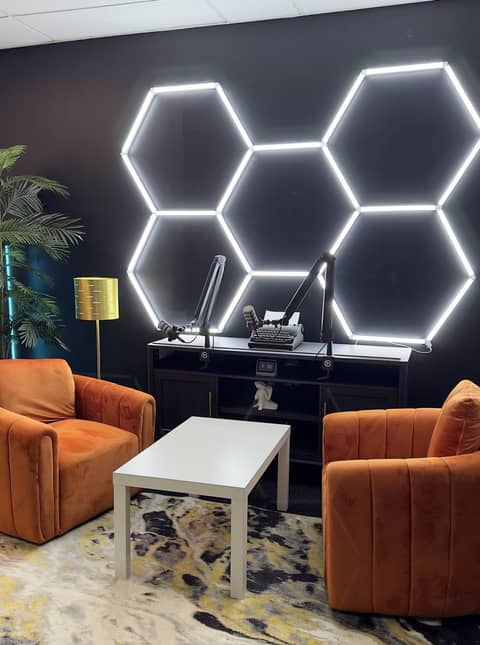
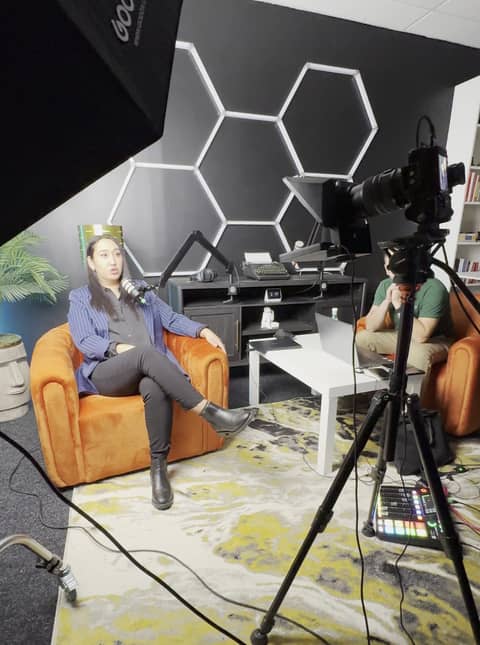
Local service businesses get the most use from short answer videos, one per question a customer asks, plus a short introduction to the person who turns up at the door. The brand film is usually the piece that gets made and the piece that gets least use. Anything showing work in progress should be filmed on site, not on a set. At Kreate Vision Studio in Palatine, Illinois a Content Session is $300 an hour with a two-hour minimum, and a half day realistically produces the whole answer-video set for a small firm.
The video that gets made is rarely the video that gets used
A local business decides to invest in video and commissions a brand film. Drone shot, music, staff smiling, a tagline. It goes on the homepage and is watched, in practice, mostly by the people who made it.
Meanwhile the sales process needs five short videos that nobody made, because they were too unglamorous to be the reason to book a shoot.
The videos that earn their keep
Answer videos. One video per question a customer genuinely asks, ninety seconds each, answered straight. “How long does this take.” “Why is your quote higher than the other one.” “What happens if it rains.” “Do I need to be home.” These get emailed to individual customers for years and get attached to quotes, which is more use than most brand films manage.
The test for the list: what did you explain on the phone three times last month.
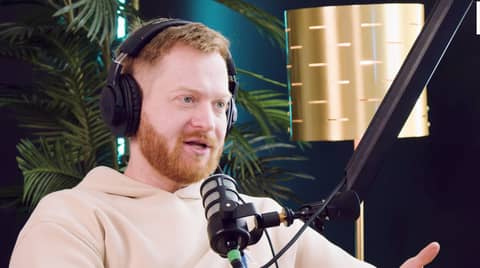
The person who turns up. A short introduction to whoever arrives at the door. For any service where somebody enters a customer’s home, this does more than testimonials, because the anxiety being solved is not competence, it is unfamiliarity.
A short explanation of the process. What happens, in order, from first call to finished job. Customers largely do not know, and the not knowing is what makes them hesitate.
What to film on site instead
Anything whose credibility comes from being real.
Work in progress. The workshop. Equipment. Your team doing the job. A studio set is the wrong backdrop for these and makes them look staged, which costs you the exact thing the footage was supposed to prove.
The split is simple:
| Film in the studio | Film on site |
|---|---|
| Talking to camera | Work in progress |
| Answers to customer questions | Premises and equipment |
| Introductions to the team | Before and after |
| Anything you want reusable for years | Anything tied to a specific job |
Who should be on camera
Whoever meets the customer. Not the owner because they are the owner, and not the most confident speaker because they are the most confident speaker.
If the customer is going to open their door to a specific person, that person on camera does more work than a polished presenter. Slight awkwardness reads as real. Polish sometimes reads as marketing, which is the opposite of the intended effect.
What one session produces
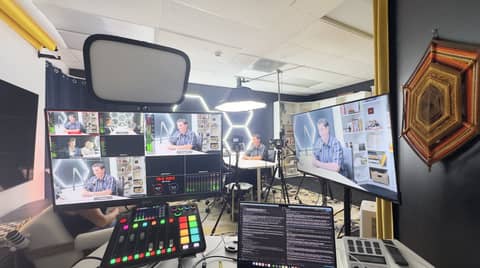
A Content Session is $300 an hour with a two-hour minimum, so $600 to start, and includes the full equipment range, an operator running the session, and all raw files. Booking by the hour with a two-hour floor is a different shape of cost from a day rate, and worth comparing directly against quotes you have.
Full rates are on the pricing page, and the commercial work the room does beyond this sits on the video page.
Two hours covers a handful of short pieces. A half day realistically produces the whole answer-video set for a small firm, provided the questions are written before the day. That planning is the actual constraint. Arriving with a vague intention to “shoot some content” is how a half day becomes four usable videos instead of twelve.
Bring a change of shirt if you want twelve videos released over three months to look like an ongoing habit rather than one afternoon.
The order to do it in
- Write down the ten questions you answer on the phone most often.
- Cut it to the seven that come up before someone buys, not after.
- Write the first sentence of each answer. Just the first.
- Book a half day.
- Publish them one at a time, and start attaching them to quotes immediately.
Step five is the one that requires no budget at all, and the one people skip.
Next
What a content day is covers the format in general. Getting short-form clips out of a long conversation covers turning these into social pieces.
Getting a list together first
Content Sessions book through Square Appointments. If you want help turning “we should do video” into an actual list before you book, call (224) 328-2853. The studio is at 800 E Northwest Hwy Ste 90 in Palatine, open daily 9am to 8pm.
What video does a local service business actually need?
Short answer videos, one per question customers ask, and a short introduction to the person who will turn up at their door. Those two get used constantly. Brand films usually do not.
Should we film in the studio or on site?
Anything showing work in progress, equipment or premises should be filmed on site, because its credibility comes from being real. Anything where you are talking to camera is better in a studio, where the sound and light are controlled.
How many videos can we make in one session?
A two-hour Content Session at $600 covers a handful of short pieces. A half day realistically produces the full answer-video set for a small firm, if the questions are written in advance.
Who should be on camera?
Whoever meets the customer. Not the most senior person, and not whoever is most comfortable. Familiarity is the entire point.
What is the most common mistake?
Making one polished brand film instead of ten useful answers. The film gets watched once by people who already decided; the answers get sent to individual customers for years.